Winter Roof Damage in Oshkosh: 8 Signs You Need Repairs
Snow can weigh several pounds per square foot, stressing the components of your roof structure during a typical Wisconsin winter. The freeze-thaw cycle that causes water to saturate, then turn to ice on your shingles, also causes wear and tear.
An in-person inspection by a trained roofing expert can determine how your shingles, flashing, and other materials are holding up. Most modern asphalt shingles should last 20 or more years, but it’s important to inspect your roof periodically and stay ahead of necessary repairs.
Stop, Look, and Listen to Your Roof
When the snow melts and ice dams recede, look for signs of damage on your roof and listen for drips, or call a professional who will do it for you. Discovering small problems, such as bent flashing or a missing shingle, can prevent larger issues from developing.
Look for:
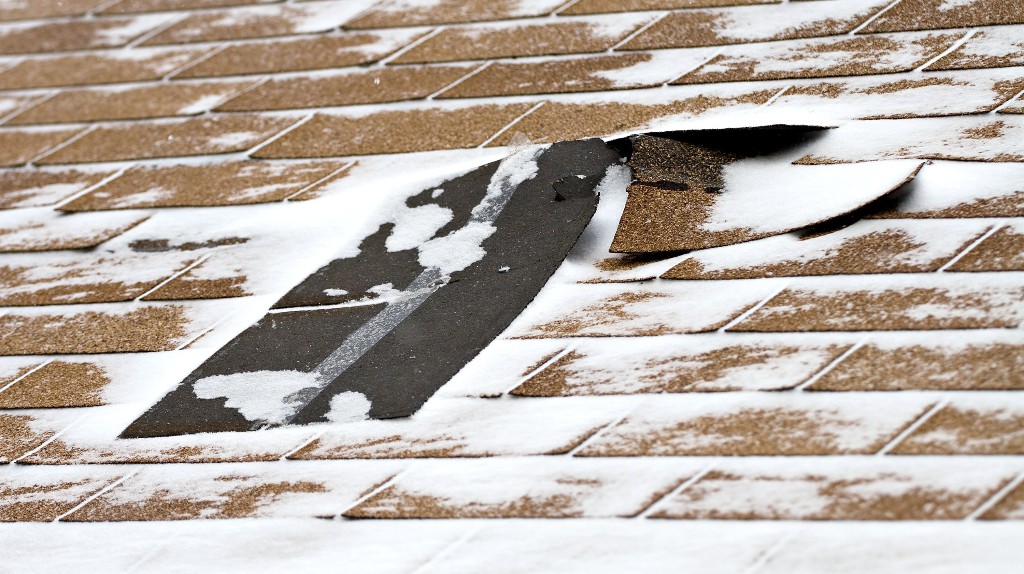
- Missing or curling shingles. Your shingles are the outermost layer of protection against the elements. If one or more is missing, out of place, or curling up, the roof underneath is not protected from the weather. Even a small gap in coverage can allow water to get in and potentially damage beams, ceilings, and walls inside the house.
- Smooth shingles. If you see places where your shingles are losing their outer layer, or find granules from damaged shingles in your gutters and downspouts, it’s a sign that some or all of your roofing material is near the end of its lifespan. Rough winter weather, including wind, ice, and snow, can wear down your asphalt shingles and make them less resistant to the elements. A roofing technician can inspect more closely to determine if an area of your roof needs repair or if it’s time to replace the roofing material completely.
- Leaks, stains, gaps. Make periodic inspections of your attic space. If you find beams or ceilings stained with streaks of water, wet insulation in the attic, or, especially if you can see daylight through the roof, it’s imperative to call a professional roofer immediately. These are dire signs of water infiltrating your roof that should not be ignored.
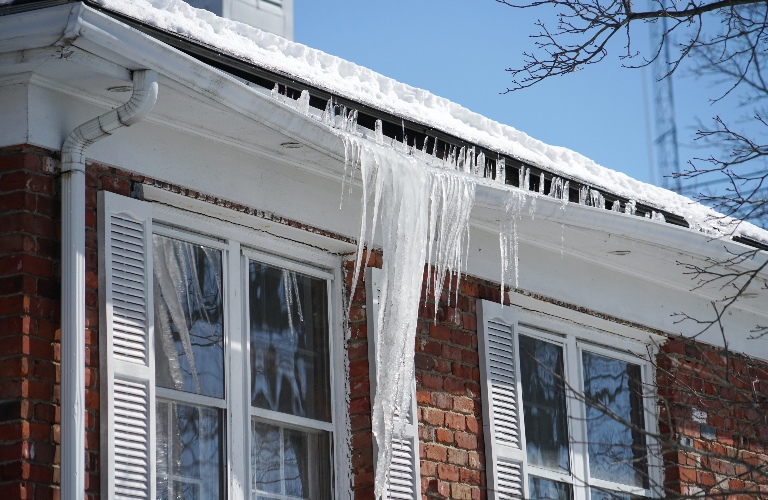
- Ice dam damage. Long winters with lots of precipitation and freeze/thaw cycles cause ice dams on roofs. This ice builds up under shingles and behind flashing, causing leaks inside the home, especially along exterior walls that support the flatter part of the roof. Stay alert for interior drips as it can damage plaster and rot window casings. If you see wet spots, get in touch with a roofing professional for an appointment.
- Displaced flashing. Metal flashing is the material that seals shingles to chimneys and skylights, preventing leaks. But over time, flashing can wear out or get pulled away from its optimal positioning by ice and snow. If your skylights leak or if you see moisture on the chimney in the attic, consult a roofing professional for repairs.
- Roof sags. If your roof develops a sag, whether on a flat section or across a ridge, don’t delay calling for help. Sagging roofs are dire signs of structural issues, whether missing structural supports, rotting wood, or other damage, like pest infestation. When a roof sags it places strain on the entire structure, which can be dangerous under Wisconsin’s heavy snow loads.
- Moss growth. When a shaded part of your roof begins to turn green from moss growth, it’s time to call professionals to clear it. Moss and lichen can spread under shingles, keeping the roofing material damp and potentially weakening its protective barrier over time.
- Damaged gutters. If your gutters are no longer firmly attached to the eaves, it can mean that ice dams were particularly bad over the winter. Have a professional examine nearby shingles and walls for damage and water infiltration, then repair the gutters.
Partner with a Professional
The trained installers and technicians at Ripon Area Roofing know how to spot winter damage on Wisconsin roofs. Call for an inspection and repair consultation if your roof shows signs of excessive wear and tear.